

A New Employee’s Perspective from Inside a Nuclear Reactor Building
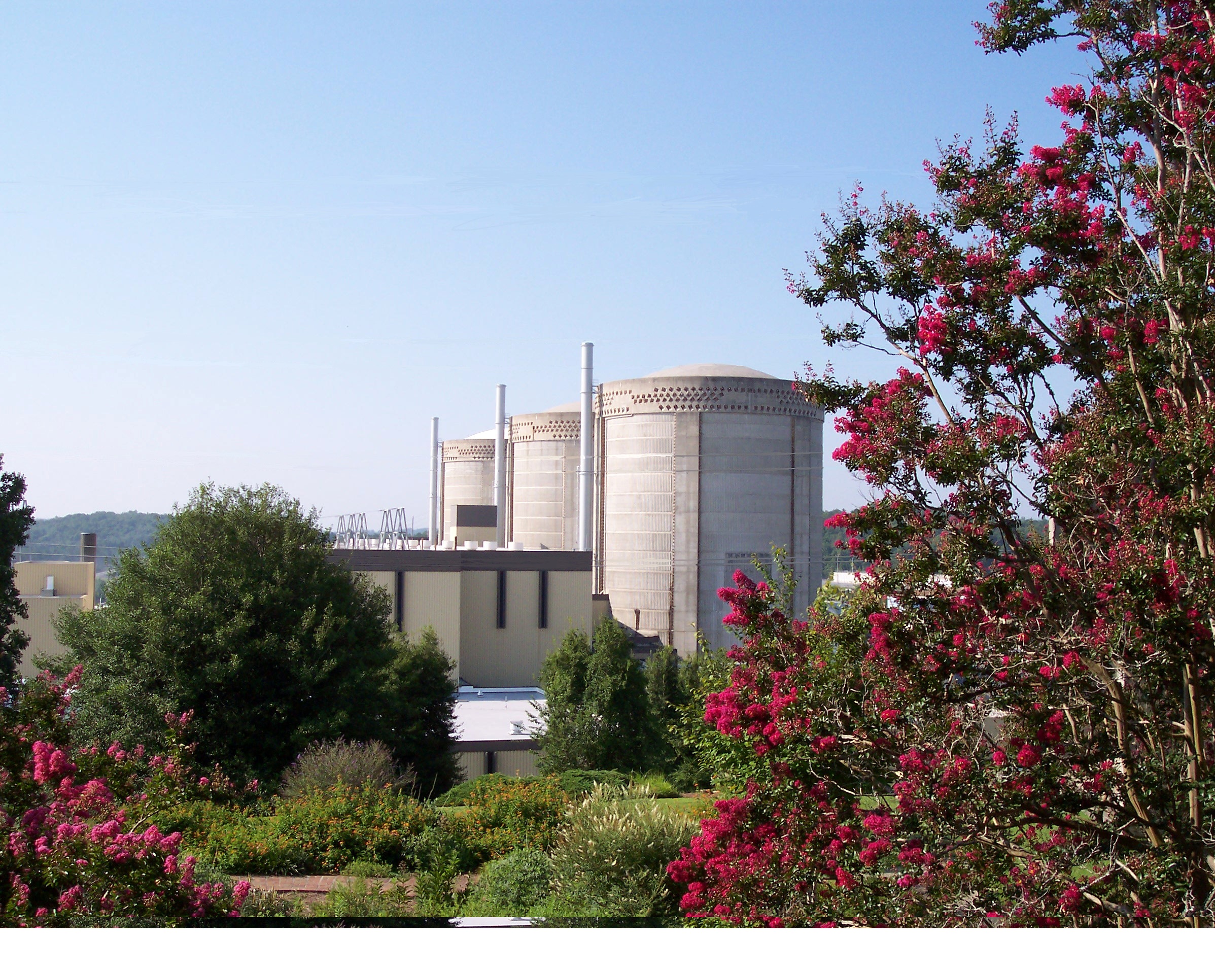
“This must be how an astronaut feels when he climbs into the space shuttle,” I thought, as I climbed through the first airtight door of one of the reactor buildings at Oconee Nuclear Station.
My ears filled with pressure as our tour guide locked eight of us into the portal just outside the area that contains the reactor vessel, which creates heat for steam generation.
It was eerily quiet, and I was nervous.
Decked out in my protective gear that included three layers of gloves, I followed my teammates through the last door. I was in.
The building was dimly lit with pipes and ducts and cables running in every direction. The large, complex systems weren’t laid out as simply as they were in the diagrams I’d studied before the tour.
One of my teammates nudged me as we entered the first level of the multi-story building.
“Look up at the ceiling,” he said. “Pretty impressive, huh?”
I pressed my hard hat tightly to my head and looked up at the concrete dome.
Very impressive.
Growing up less than five miles from Oconee Nuclear Station, in Seneca, S.C., I had grown used to spotting the plant’s three reactor building domes from various places on the highway and on Lake Keowee.
Looking at those buildings as a child, I never thought I would be standing inside one of them as a new employee.
My manager had signed our team up for a tour of the reactor building, which was halfway through a scheduled refueling outage. It was a rare chance to enter the building – something few people get to do.
Our tour guide led us around multiple floors of the building, from the dark basement to the deck overlooking the reactor pool.
That was an awe-inspiring moment, standing there looking at the reactor core under roughly 20 feet of crystal clear water. I felt like I was looking at something only seen in a James Bond movie. The core is covered by the reactor head during operation, so it is only uncovered during refueling.
Each of us on the tour eagerly agreed to get an even closer look at several components of the primary and secondary water systems by climbing down long, narrow ladders throughout the building.
Our guide showed us the reactor’s pressurizer and steam generator, which keeps the primary water from boiling and generates steam through the conduction of heat into the secondary water system, respectively.
At full power, the “hot leg” piping of the steam generator pumps water through its system at roughly 600 degrees. The “cold leg,” which pushes water back into the reactor core, is a cool 500 degrees.
Needless to say, it gets pretty hot in there.
Both the steam generator and the pressurizer were enormous, and looked like those capsules that astronauts used to ride in (before space shuttles) while barreling back through Earth’s atmosphere.
The experience was other-worldly.
After an hour of climbing up and down ladders in awe, our group made our withdrawal from the unit and crossed back into more familiar, Earthly, territory.
But we weren’t quite home yet. We still had to remove our protective clothing - an experience in itself. Nuclear plant employees take the utmost precaution when it comes to the safety and wellbeing of the employee, the public and the plant. To protect against potential skin or clothing contamination, employees are required to wear several layers of protective clothing while inside the reactor building or in areas where contamination is possible. That means those protective layers – gloves, booties, hood, suit, hard hat, etc. – must be taken off using methods that ensure potential contamination is discarded safely.
As a new employee, I had just taken a training course on how to properly remove my protective gear in the correct order.
I did not expect, however, to be standing in my modesty garments in front of the entire tour group after dress down.
Let’s just say there is no modesty in radiation protection.
After exiting from multiple contamination-detection portals, a tedious process, I was finally able to head home for the evening.
As I walked to my car, I stopped and looked at the three Oconee reactors. It was quiet except for the constant hum of machinery in the Turbine Building.
No more do I wonder what goes on in those tall buildings – I’ve seen it for myself. It’s an experience I will never forget.