

This is the second part of our two-part series where we discuss safety, security and emergency planning at nuclear power plants. To read the first part of our series, click here.
Part 2
Prepared
Recently, representatives from five counties, the state of North Carolina and Duke Energy were involved in a rigorous, NRC-graded exercise of a simulated nuclear event, which included the involvement of schools, hospitals, fire departments, a media center and the activation of several emergency facilities.
The exercise not only tested Duke Energy's ability to appropriately respond to an emergency event, but also the coordination of the state and county agencies. Regular exercises ensure that in the unlikely event of an emergency at a nuclear power plant, information would flow freely between Duke Energy, the state and the counties; plant personnel would follow procedures to safely shut down the affected units; and the public would receive the appropriate information to ensure their safety.
Exercises are preceded by months of detailed planning between Duke Energy, the state and the counties. Representatives from each group sit on a task force to hammer out the details of emergency response plans. Graded exercises take part every other year for each plant. Duke Energy's plants undergo many drills every year. There are at least five drills a year per nuclear site. Additionally, emergency plans are regularly updated based on changes to area population, infrastructure and industry operating experience.
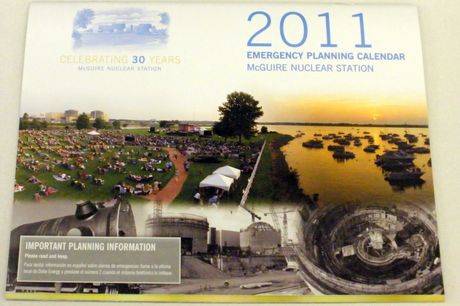
Neighbors living within the 10-mile emergency planning zone (EPZ) around nuclear stations receive emergency planning information annually in the form of a calendar. We also provide emergency information to hotels, schools and on our website.
In the unlikely event of an emergency, Duke Energy would make recommendations to the state and county, but the counties and state have responsibility for the sounding of sirens, evacuations and public recommendations. Residents living within the EPZ are always encouraged to keep their calendar handy as it contains valuable information, such as reception centers and important contact information.
There have been several instances when communities surrounding nuclear power plants have benefited from the station's detailed emergency response plans. In 2007, wildfires scorched 380,000 acres of California, prompting the evacuation of 300,000 people. Officials used the emergency response plans and the relationships developed through exercises with the nearby San Onofre Nuclear Power Plant to effectively inform and evacuate the public.
Committed
Our employees are deeply rooted in the surrounding communities. Their families shop at local grocery stores, live in nearby neighborhoods, send their kids to local schools and attend local church services. Our plant workers are personally invested in the continued safety and security of our plants.
Duke Energy's main goal is to operate its facilities safely and effectively. We are proud to be part of your community. As a good neighbor, we do not take this responsibility lightly.
Further Reading:
- Nuclear Drill Tests Readiness of Duke's Professional Communicators (NIC)
- Nuclear Power Plant Emergency (FEMA)
- Backgrounder on Emergency Preparedness at Nuclear Power Plants (NRC)
- Nuclear Emegency Preparedness (Duke Energy)
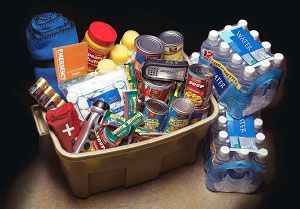
- September is National Preparedness Month. Click here to get a kit and make your family's emergency plan.